
Our programmes
What we do
Our work is organised around five connected areas, each helping blind and visually impaired people to learn, live independently, and participate fully in society.
Eye Care & Vision Health
Access to appropriate eye care is essential for preventing avoidable vision loss and improving quality of life. TSB recognizes the importance of eye health awareness, timely identification of vision problems, and connecting individuals and communities with relevant support and services.
Many causes of vision loss can be prevented or treated when they are identified early. Preventive eye care, such as regular screening and awareness of warning signs, helps families recognize when someone needs attention. Curative care, delivered by qualified eye health professionals, can restore or protect sight when problems are found.
Where vision cannot be restored, early identification still matters. It allows a person to begin education, rehabilitation, and support sooner, giving them a stronger foundation for independent living.
- AwarenessHelping communities understand common eye conditions and the value of seeking care early.
- Early identificationEncouraging timely recognition of vision problems, especially among children and older people.
- Access to servicesConnecting individuals and families with appropriate eye health services and referral pathways.
Inclusive Education
Every child has the right to learn. For children and young people who are blind or visually impaired, that right depends on schools, materials, and attitudes that make learning accessible.
Inclusive education means that learners with visual impairments can take part fully alongside their peers. It requires accessible learning materials, teachers who are prepared to support different ways of learning, and environments where every learner feels welcome.
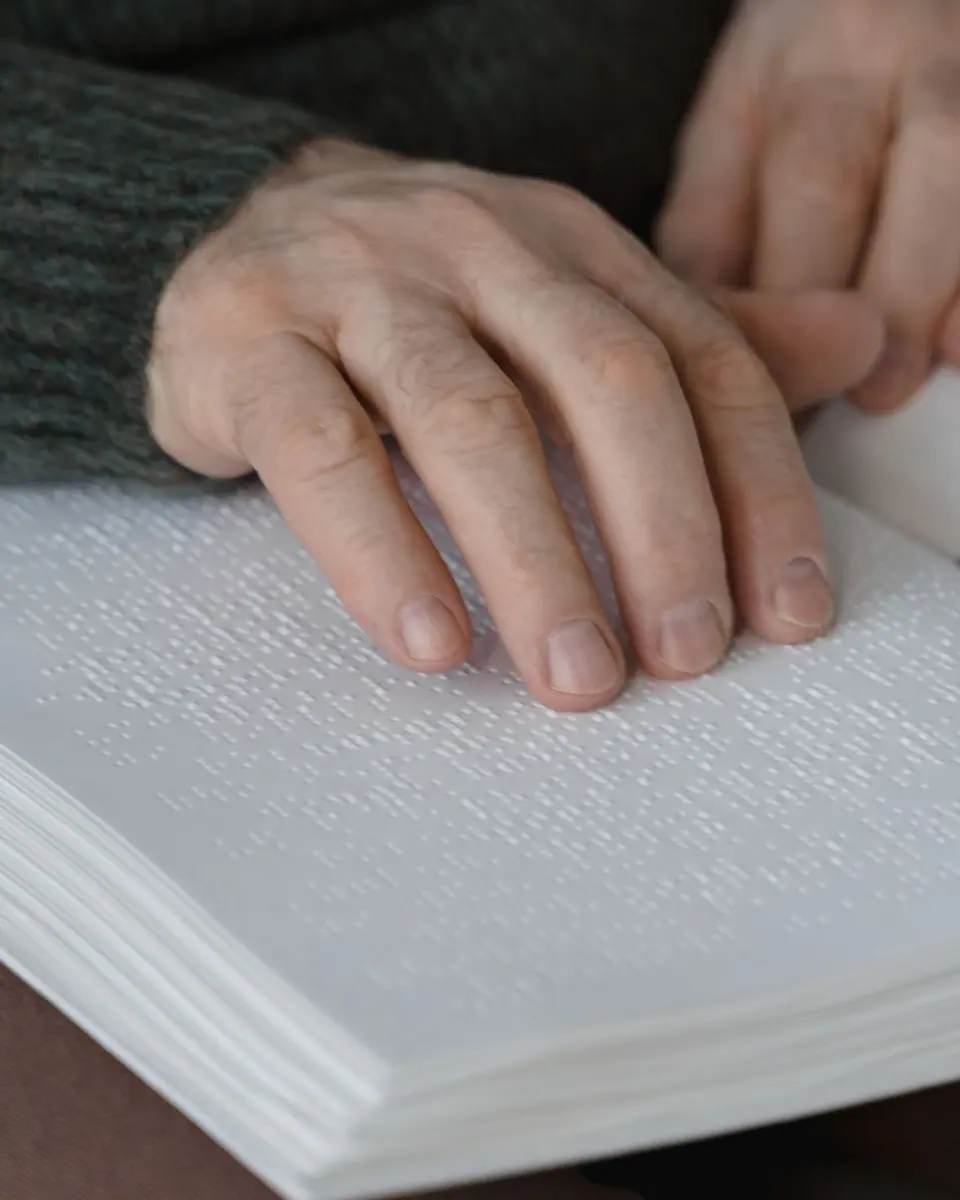
Braille literacy is a foundation of this work. Reading and writing in Braille gives learners independence in study, communication, and later in employment.
- Access to educationAdvocating for enrolment and continued participation in school.
- Braille literacyRecognizing Braille as essential for independent reading and writing.
- Accessible materialsPromoting learning resources in Braille, large print, tactile, and audio formats.
- Supportive environmentsEncouraging classrooms, teachers, and peers that welcome learners with visual impairments.
Rehabilitation & Independent Living
Rehabilitation helps people who are blind or have lost their sight to rebuild confidence and take charge of their daily lives.
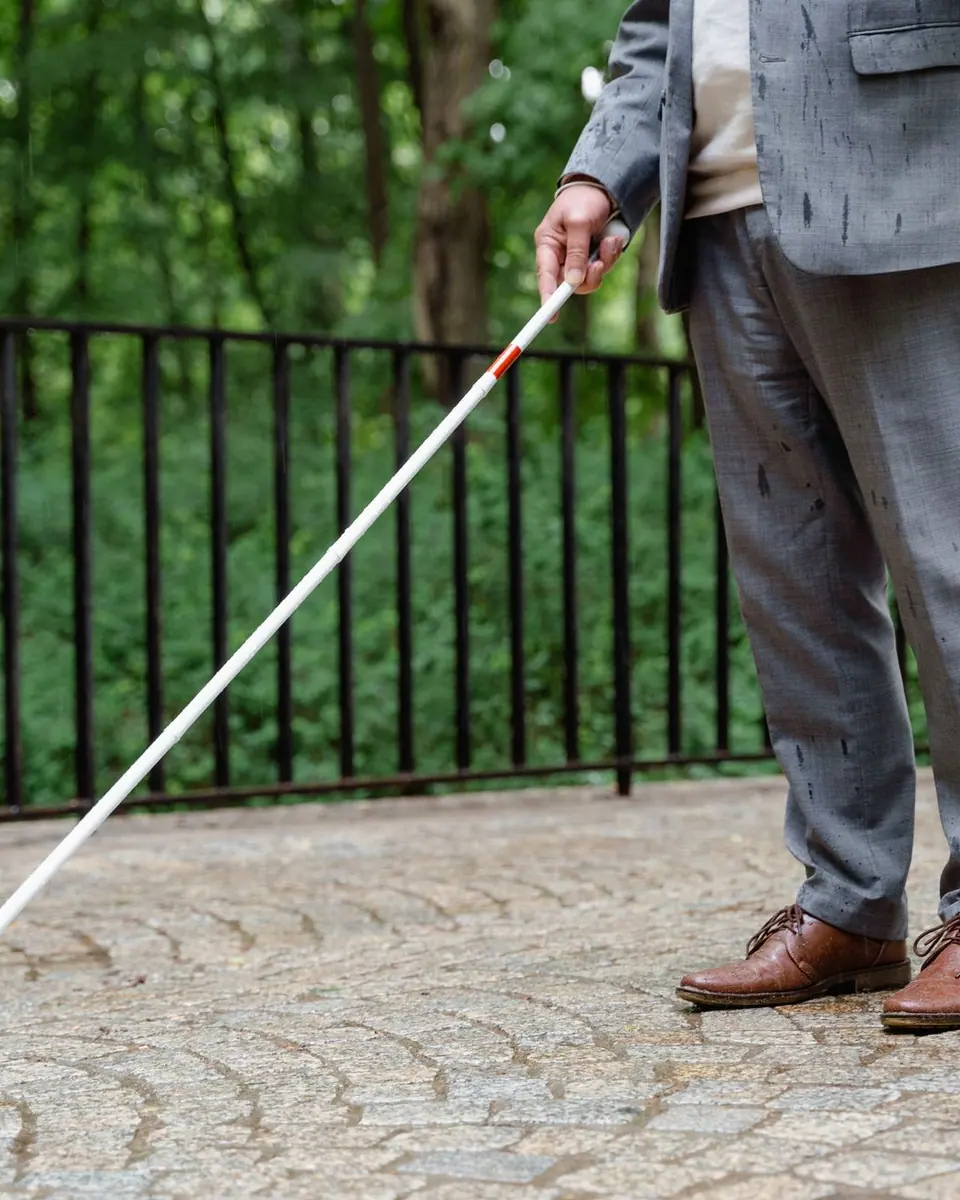
Independence grows from practical skills. Orientation and mobility training teaches safe and confident travel, including the use of the white cane. Daily living skills cover the everyday tasks of managing a home, personal care, and money.
Just as important is confidence. Rehabilitation supports people to participate socially, return to community life, and pursue their goals with dignity.
- Orientation & mobilityLearning to understand surroundings and travel safely.
- White cane useBuilding safe, confident movement at home and in the community.
- Daily living skillsManaging personal care, household tasks, and everyday routines.
- Social participationEncouraging confidence, self-reliance, and community involvement.
Braille & Accessible Learning
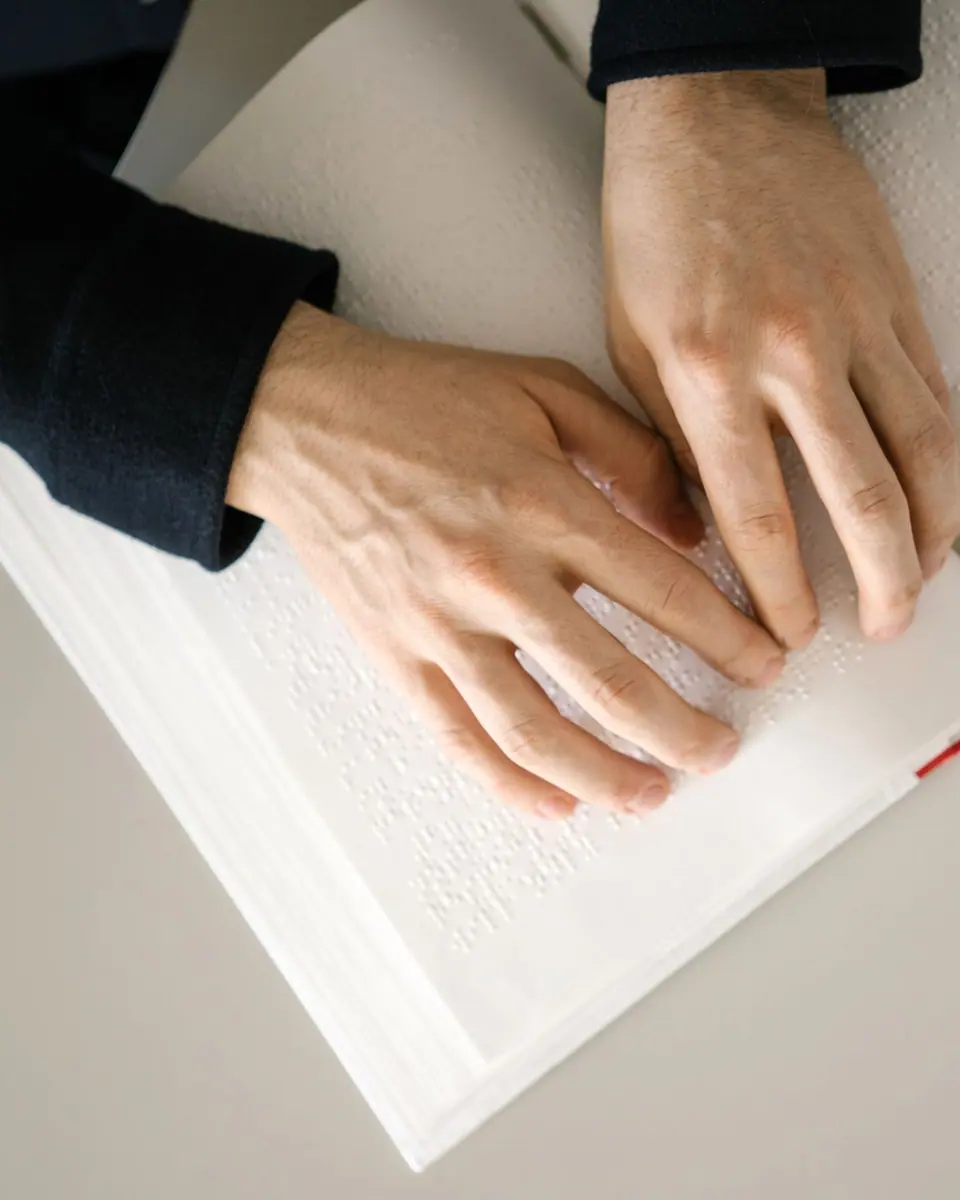
Braille is more than a code of raised dots. It is literacy, independence, and the ability to read, write, and take part in education and work on equal terms.
Alongside Braille, tactile diagrams, audio resources, and accessible digital formats help people who are blind or visually impaired get the information they need. Each format serves different needs, and the right mix depends on the person and the task.
Assistive technology, such as screen readers and accessible devices, is an increasingly important part of inclusion. It opens doors to communication, study, and employment when it is affordable and well supported.
- BrailleThe foundation of independent reading and writing.
- Tactile learningRaised diagrams and models that make visual concepts touchable.
- Audio resourcesRecorded and spoken materials that widen access to information.
- Assistive technologyScreen readers and accessible devices that support inclusion.
Community Outreach & Awareness
Inclusion starts in the community. How families, neighbours, and institutions understand blindness shapes the opportunities available to people with visual impairments.
Community education helps replace misconceptions with understanding. When families are informed and involved, they are better able to support a relative who is blind or visually impaired to go to school, train, and take part in community life.
Awareness work also reaches leaders, service providers, and the wider public, encouraging respectful attitudes and accessible services for everyone.
- Community educationSharing accurate information about blindness and visual impairment.
- Family involvementSupporting families as partners in education and independence.
- Reducing stigmaChallenging misconceptions and promoting dignity and respect.